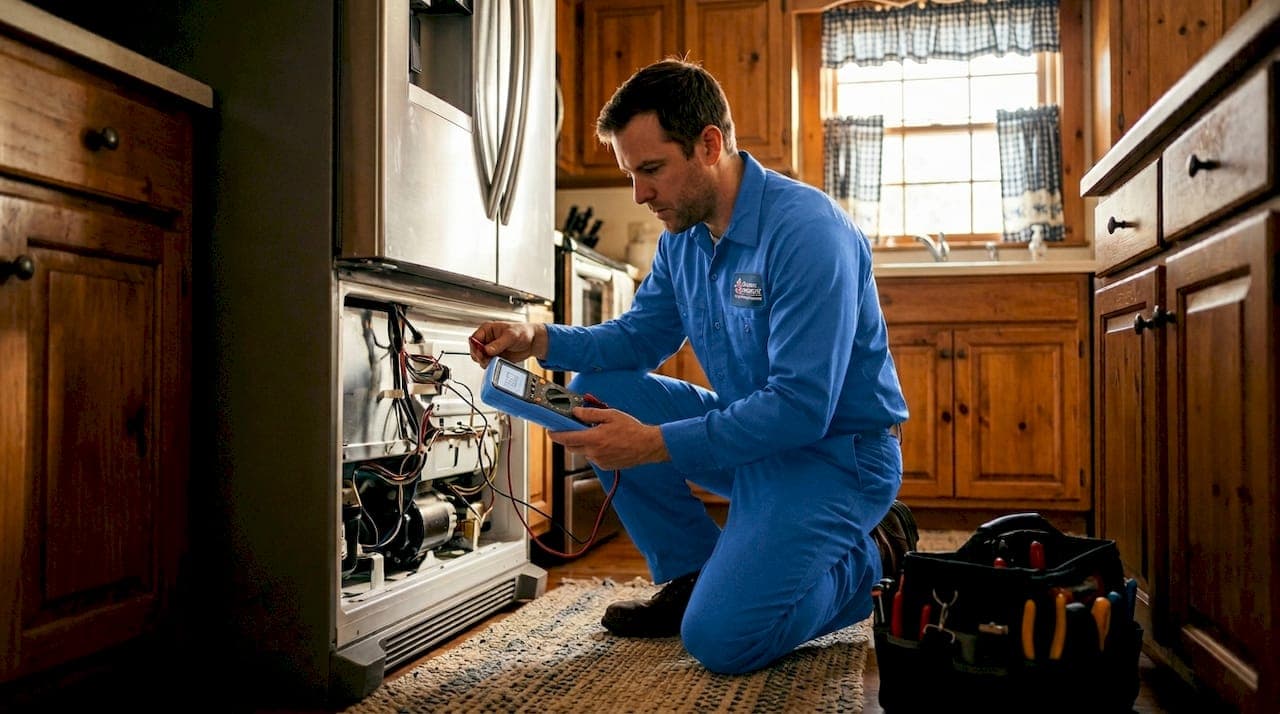
Professional appliance repair is the practice of hiring a certified technician to diagnose, fix, and restore home appliances to safe, efficient working condition. Choosing professional service over DIY attempts or outright replacement delivers measurable benefits: longer appliance lifespan, lower long-term costs, and reduced environmental impact. Homeowners and renters who understand the advantages of appliance repair make smarter decisions about when to call a pro, when to attempt a minor fix themselves, and when replacement is the only logical path forward.
1. Professional repair extends appliance lifespan significantly
Certified technicians do more than fix the immediate problem. They identify wear patterns, clean components, and recalibrate systems so the appliance runs at its original efficiency. A refrigerator that gets a proper compressor repair, for example, can run reliably for years beyond what a rushed DIY fix would allow.
Extending appliance lifespan by 5 to 7 years preserves the embodied carbon investment already locked into the appliance's manufacturing. That matters financially too, because a new appliance carries a full replacement price plus installation costs that a targeted repair avoids entirely.
- Washing machines repaired by a professional typically regain full spin cycle efficiency
- Dishwashers with professional pump or seal repairs avoid water damage to cabinetry
- Refrigerators with coil cleaning and seal replacement maintain correct temperatures and reduce energy draw
- Ovens with recalibrated thermostats deliver consistent cooking performance again
Pro Tip: Schedule a professional maintenance check once a year, even when nothing seems broken. Yearly appliance maintenance catches small issues before they become expensive failures.
2. Safety is a core advantage of hiring a professional
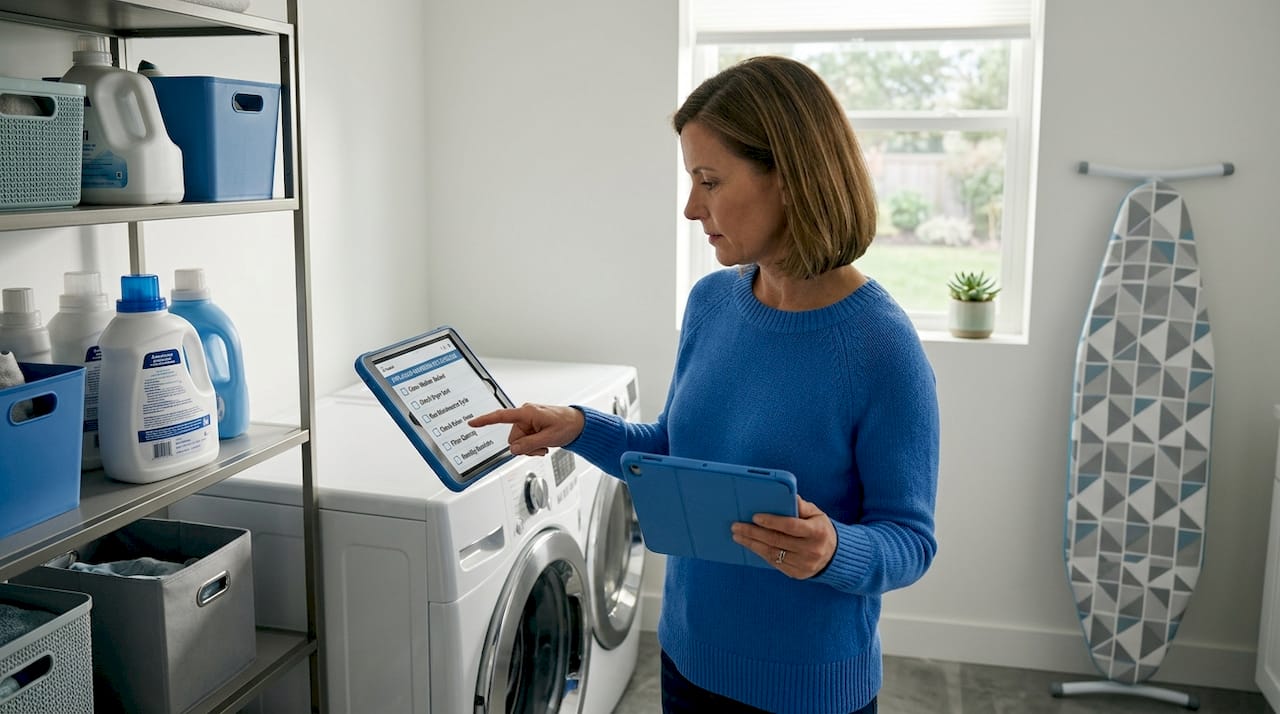
Appliance repair involves electrical systems, gas lines, and pressurized components. A misdiagnosed problem or an improperly reconnected wire does not just fail to fix the appliance. It creates a fire or electrocution hazard. Certified technicians follow industry safety standards and carry the tools to test repairs before leaving the job.
One documented case involved an oven repair where misdiagnosis caused costs to exceed the appliance's replacement value through multiple failed visits. That outcome is avoidable when the technician performs accurate upfront diagnostics rather than guessing at the fault.
- Gas appliance repairs require licensed technicians to check for leaks after every service
- Electrical appliances need insulation and grounding checks that most homeowners cannot perform safely
- Dryers with clogged venting systems are a leading cause of house fires when not professionally serviced
- Refrigerant handling in air conditioners and refrigerators requires EPA certification in the United States
Pro Tip: Always verify a technician's credentials before the job starts. Ask for proof of licensing, insurance, and any manufacturer certifications relevant to your appliance brand.
3. Cost savings from professional repair versus replacement
The financial case for professional repair is straightforward when you apply the standard industry benchmark: if repair costs stay below 50% of the appliance's replacement price, repair is the better financial decision. Consumer reports cite this half-price rule as the primary threshold for repair versus replacement decisions.
Professional technicians charge between $50 and $150 per hour, with a national average repair cost of around $175 per visit. Compare that to replacing a mid-range refrigerator at $1,200 or a washer at $800, and the math favors repair in most scenarios involving appliances under 10 years old.
| Appliance | Typical repair cost | Average replacement cost | Repair favored? |
|---|---|---|---|
| Refrigerator | $150 to $400 | $900 to $2,000 | Yes, if under 10 years old |
| Washing machine | $120 to $350 | $600 to $1,400 | Yes, if under 8 years old |
| Dishwasher | $100 to $300 | $500 to $1,200 | Yes, if under 7 years old |
| Oven/range | $100 to $400 | $700 to $2,000 | Yes, if under 10 years old |
Many professional services also offer labor warranties ranging from 30 to 90 days, which means a repeat failure within that window costs you nothing extra. That warranty protection does not exist with DIY repairs.
4. Accurate diagnostics reduce wasted time and money
Modern IoT-enabled appliances allow technicians to diagnose problems remotely, arriving with the correct replacement parts already on the truck. This precision eliminates the most common frustration with appliance repair: multiple visits because the wrong part was ordered. Accurate upfront diagnostics represent a structural advantage of professional service over DIY attempts, where guesswork often leads to purchasing several parts before finding the actual fault.
Smart appliance platforms from brands like Samsung, LG, and Whirlpool transmit error codes directly to service apps. A trained technician reads those codes in minutes and cross-references them against known failure patterns for that model. The result is a faster repair, lower total labor cost, and less disruption to your household routine.
5. Professional vs DIY appliance repair: knowing the difference
Not every appliance issue requires a professional. Replacing a refrigerator water filter, cleaning dryer lint traps, or descaling a coffee maker are tasks most homeowners handle safely. The line between DIY and professional territory is drawn by complexity, safety risk, and the cost of getting it wrong.
| Repair type | DIY appropriate? | Professional required? |
|---|---|---|
| Replacing a refrigerator water filter | Yes | No |
| Fixing a gas burner igniter | No | Yes |
| Cleaning dishwasher spray arms | Yes | No |
| Replacing a washing machine drum bearing | No | Yes |
| Descaling a coffee maker | Yes | No |
| Repairing a refrigerator compressor | No | Yes |
DIY repair errors frequently escalate into professional repair calls anyway, but now with additional damage to account for. A homeowner who attempts a washing machine bearing replacement without the correct press tools can crack the drum housing, turning a $200 repair into a $600 one. The cost savings of professional appliance repair become most visible precisely when you compare them against the cost of fixing a failed DIY attempt.
6. Environmental benefits of repairing instead of replacing
Every appliance carries embodied carbon: the greenhouse gas emissions produced during its manufacturing, shipping, and installation. When you discard a functional appliance and buy a new one, you forfeit that entire carbon investment. Replacing a functional appliance takes 5 to 15 years of operational efficiency gains to offset the embodied carbon of the new unit. That payback period is long enough that many appliances are replaced again before the carbon math ever balances.
Repair acts as a form of time-shifting the payback by delaying the embodied carbon impact, which is a core principle in lifecycle appliance management. Local repair ecosystems also reduce transportation and landfill impacts that come with replacement, supporting circular economy goals at the neighborhood level.
- Repairing a refrigerator avoids approximately 300 to 500 kg of CO2 equivalent from manufacturing a replacement
- E-waste from discarded appliances contains hazardous materials including lead, mercury, and refrigerants
- Local repair businesses reduce the logistics chain compared to shipping new appliances from overseas factories
- Choosing repair supports right-to-repair legislation efforts that benefit all consumers long-term
7. Guidance for renters on professional appliance repair
Renters face a specific challenge: the appliances in their unit often belong to the landlord, but the disruption of a broken appliance falls entirely on the tenant. Renters should integrate repair decisions into their lease communications to control costs and establish clear accountability before a problem escalates.
The practical steps are straightforward. Document the appliance's condition at move-in with photos. Report any malfunction to the landlord in writing immediately, not verbally. If the landlord authorizes a repair, confirm in writing which service provider will be used and who covers the cost. Renters who skip these steps sometimes find themselves disputing repair bills that exceed the appliance's value, a situation that is entirely preventable with clear communication upfront.
Pro Tip: If your landlord is slow to act on a broken appliance, check your local tenant rights laws. Many jurisdictions require landlords to repair essential appliances within a specific number of days.
Key takeaways
Professional appliance repair saves money, extends appliance life, and reduces environmental waste when applied at the right time with the right technician.
| Point | Details |
|---|---|
| Use the 50% rule | Repair costs below half the replacement price almost always favor professional repair over buying new. |
| Verify technician credentials | Licensed, insured technicians reduce safety risks and provide labor warranties that DIY cannot match. |
| Repair extends lifespan 5 to 7 years | Timely professional service preserves embodied carbon investment and delays costly replacement cycles. |
| IoT diagnostics improve accuracy | Smart appliance error codes allow technicians to arrive with the right parts, cutting labor time and cost. |
| Renters need written documentation | Communicating repairs through lease channels protects renters from disputed costs and unclear accountability. |
Why I think most homeowners underestimate the repair option
After years of working alongside appliance repair professionals and watching homeowners make replacement decisions they later regret, one pattern stands out clearly. Most people replace appliances not because repair is genuinely impractical, but because they assume it will be expensive and inconvenient. That assumption is wrong more often than it is right.
The technology shift has been significant. Technicians working with IoT-enabled appliances from brands like LG and Samsung now diagnose faults in a single visit with a precision that was impossible five years ago. The days of three visits and three wrong parts are largely behind us for modern appliances. That change alone has made professional repair faster and more predictable than most homeowners realize.
The environmental argument also deserves more weight than it typically gets. Buying a new appliance feels like progress. Repairing an old one feels like settling. But the carbon math is unambiguous: repair wins on sustainability in almost every scenario involving an appliance under 10 years old. Choosing repair is not settling. It is the smarter, more responsible decision.
For renters specifically, the advice I give consistently is this: document everything and communicate in writing from day one. The repair disputes that turn ugly are almost always the ones where nothing was written down.
— Timofei
Need same-day appliance repair you can trust?
When an appliance breaks down, waiting days for a technician is not an option. Pfc-mt provides same-day appliance repair with certified technicians who arrive prepared to diagnose and fix the problem in a single visit. Transparent pricing means you receive an upfront estimate before any work begins, so there are no billing surprises.
Pfc-mt technicians are trained on major appliance brands including Whirlpool, GE, Samsung, LG, and Bosch. Whether your refrigerator stopped cooling, your washer won't spin, or your oven is running at the wrong temperature, Pfc-mt has the parts and expertise to get it right the first time. Book your expert appliance service today and protect the appliances you depend on.
FAQ
What are the main benefits of professional appliance repair?
Professional appliance repair extends appliance lifespan by 5 to 7 years, reduces safety risks from improper fixes, and typically costs far less than full replacement when repair costs stay below 50% of the replacement price.
Is professional repair worth it compared to buying a new appliance?
Repair is worth it for most appliances under 10 years old when the repair cost stays below half the replacement price. A $175 average repair visit is a clear financial win against a $900 to $2,000 refrigerator replacement.
What are the risks of DIY appliance repair?
DIY repairs on gas, electrical, or refrigerant-based appliances carry real safety risks including fire, electrocution, and refrigerant exposure. Incorrect repairs also frequently escalate the damage, turning a minor fault into a major one.
How does professional appliance repair help the environment?
Repairing an appliance avoids the embodied carbon cost of manufacturing a replacement, which takes 5 to 15 years of operational savings to offset. Local repair services also reduce landfill waste and e-waste from discarded units.
What should renters do when an appliance breaks?
Renters should report the malfunction to their landlord in writing immediately and confirm repair authorization and cost responsibility before any technician is scheduled. Written documentation protects renters from disputed bills and unclear accountability.